- Discover
- Not to be missed in Lyon
- The history of Lyon
The history of Lyon
Over the centuries, the history of Lyon has been rich in events. All aboard for a journey through time!
Not to be missed in Lyon
Last updated date : 09/04/2026
Human occupation on the site of Lyon dates back to prehistoric times, concentrated along the Saône valley. However, it was during the Roman era that the city of "Lugdunum" was born. In the centuries that followed, there were no shortages of twists and turns between the Rhône and Saône rivers. This rich history has shaped the heritage, districts and current identity of Lyon and the surrounding area. Follow the guide!

See all pictures
Lugdunum, capital of the Gauls
Shortly after the death of Julius Caesar, Lucius Muniatus Plancus, then governor of Gaul, was commissioned by the Roman Senate to set up a colony in a place where many Romans had already taken refuge after being expelled from Vienne. The colony was founded in 43 BC on the Fourvière plateau, occupying the site of a Gallic settlement called Lugdunum (meaning "the hill of the god Lug"), from which it took its name. The city gradually expanded to take in the riverside areas, the Presqu'île and the right bank of the River Saône. Towards the end of the 1st century BC, Lugdunum became the capital of Lyonnaise Gaul (the Roman emperor Augustus had divided Celtic Gaul into three provinces: Lugdunensis, Belgica and Aquitania). The city was home to an important mint (where currency was struck for the entire Empire) and a central stopover on the routes connecting the northern Empire to Rome.
In the 1st and 2nd centuries, Lugdunum expanded to cover some 350 hectares, becoming one of the largest cities in Gaul! The period saw the construction of imposing buildings, some of the whose remains are still visible today.
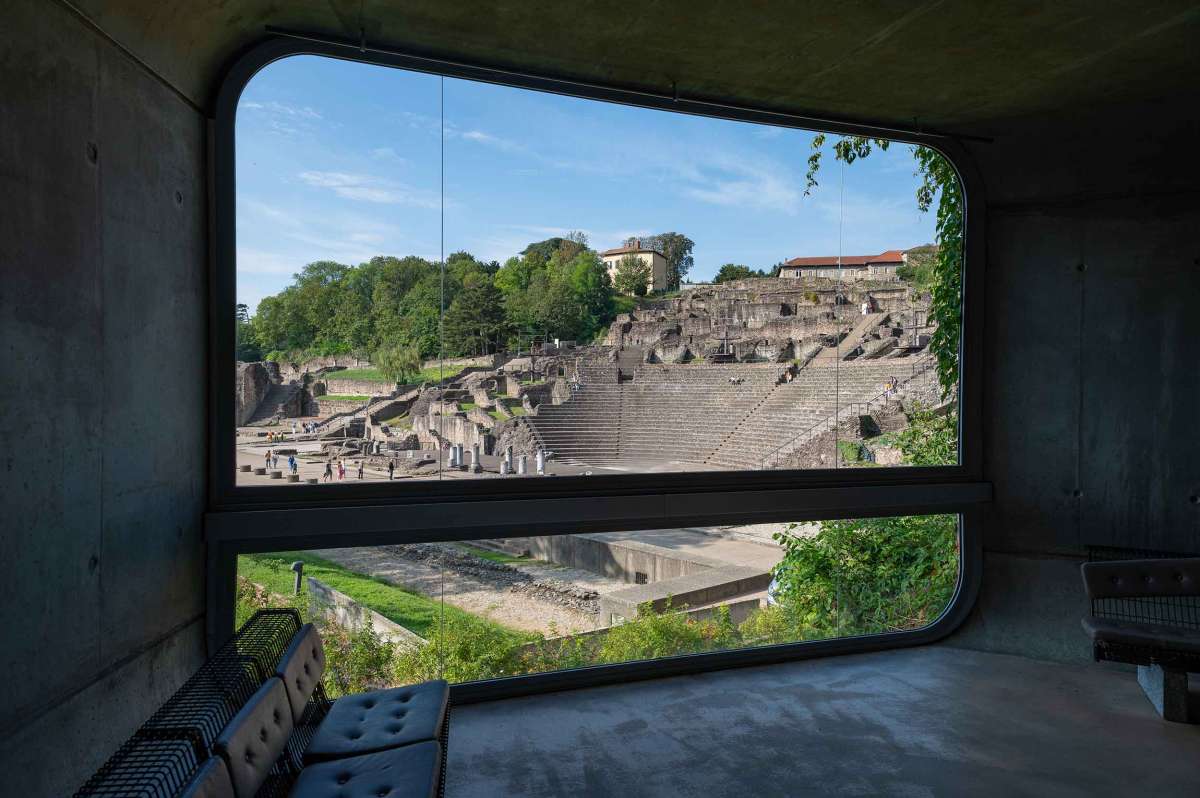
Lugdunum - Museum and roman theater
To immerse yourself completely in ancient Lyon, head to Fourvière hill where the Lugdunum museum and Roman theatres are located - an exceptional archaeological complex listed as a UNESCO World Heritage Site.
Lyon in the Middle Ages
A new power emerged after the fall of the Roman Empire: the Church. Until the 9th century, Lyon mainly occupied the right bank of the Saône, with clusters of housing on the hills and a narrow strip along the left bank of the river.
Saint John's Cathedral constituted the kernel of the city, while the Saint-Paul district saw the emergence of a community of merchants and craftspeople. At that time, there was only one bridge across the Saône, located in the Saint-Nizier district. In the 13th century, the city expanded into the area now known as the "Presqu'île" (peninsula) and the first bridge over the Rhône was built (on the site of the present Pont de la Guillotière), along with the Hôtel-Dieu hospice for pilgrims and travellers.
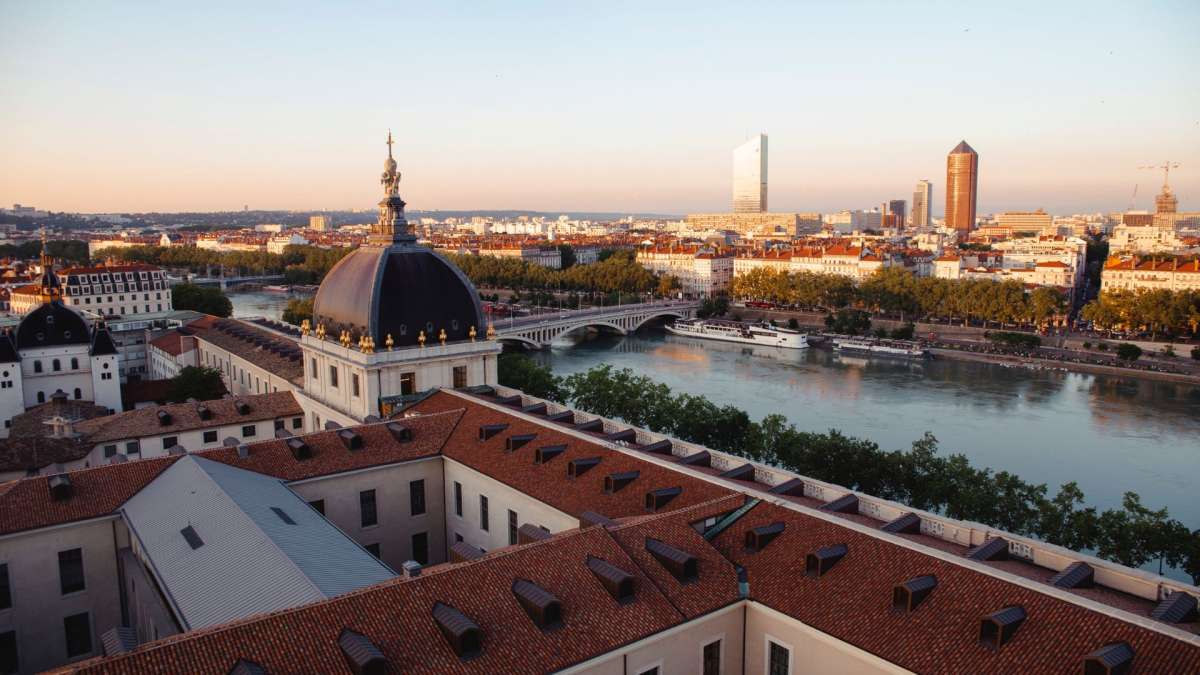
Grand Hôtel Dieu
Situated in the heart of the Presqu'île district, the Hôtel-Dieu is Lyon's oldest hospital. Although today the building stands out for its splendid façades designed by Soufflot in the 18th century, the hospital already existed in the 12th century and welcomed, in addition to many Lyonnais, several famous doctors including Rabelais. The hospital closed in 2010 and, after extensive renovation, now houses shops, restaurants and a luxury hotel.
Renaissance Lyon
For Lyon, the Renaissance was a period of prosperity and urban, economic and intellectual development. In the 15th century, Lyon obtained the right to organise four annual fairs, each gathering around 6,000 merchants.
Lyon then became one of the most important banking centres in the Kingdom, attracting large families of Italian bankers and merchants. These families resided in beautiful mansions located in what is now Vieux Lyon, including the private hotel rented and then purchased by Florentine merchant-banker Thomas II de Gadagne. The building now houses two museums. Between the end of the 15th and middle of the 16th century, Lyon was a major centre for printing (rivalling Venice and Leipzig) and silk manufacture.
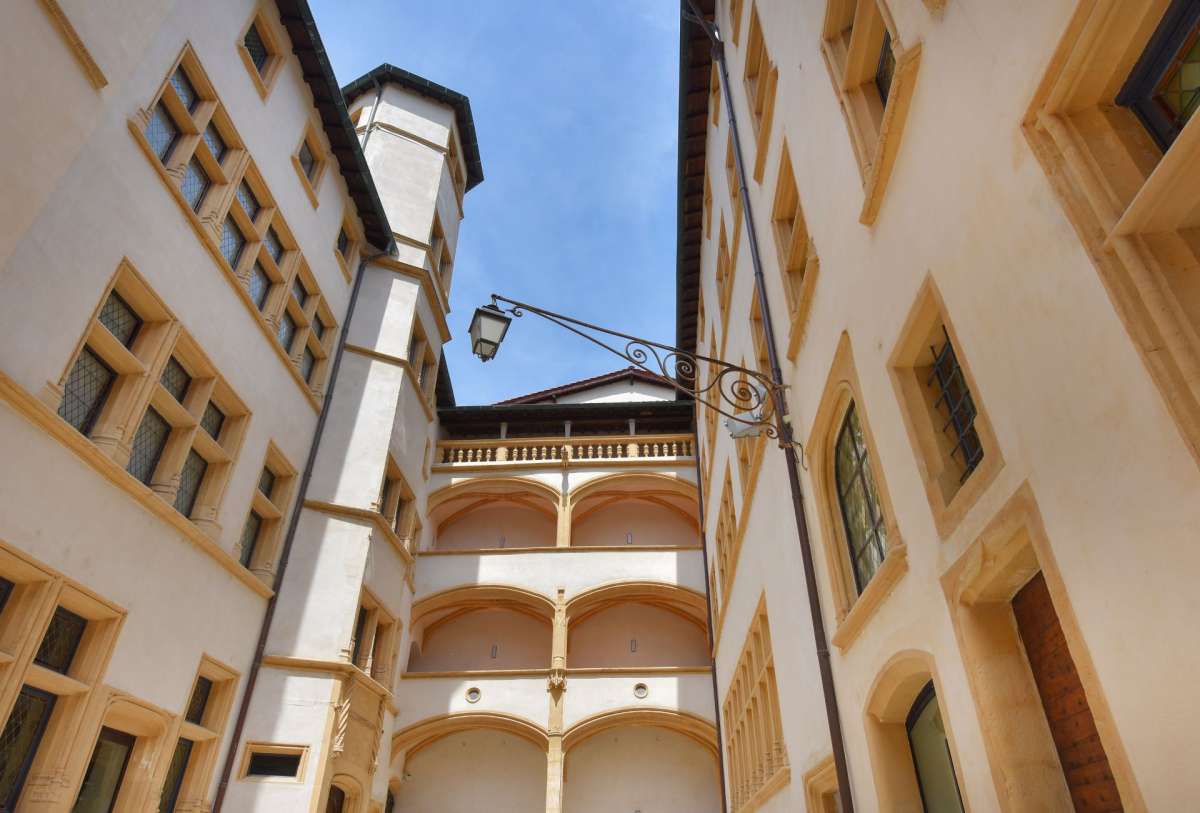
The Lyon History Museum
The Gadagne building is one of Lyon's most outstanding heritage sites. Boasting courtyards, spiral staircases, monumental chimneys, painted ceilings, decorations and more, its architecture is typical of the Renaissance. The building houses two museums, including the unmissable Lyon History Museum (Musée d'Histoire de Lyon, MHL).
Lyon, the capital of silk
While the history of the silk industry began in the 16th century under King Francis I, it was in the 17th century that production, organised within the sector known as "La Fabrique", expanded significantly. La Fabrique comprised 1,700 master craftspeople in 1621 and 3,000 in 1660. The sector's output tripled between 1665 and 1690. In the 18th century, Lyon silk could be found in all the courts of Europe.
However, at the turn of the century, the first silk workers' revolt (1786) followed by the Revolution severely disrupted the organisation of the Fabrique. In the early 19th century, Napoleon Bonaparte revived production, particularly thanks to orders for imperial furniture. Until then, the workshops were mainly located in the Saint-Georges and Saint-Jean districts, but new workshops then sprung up on the slopes of Croix-Rousse.
VISIT
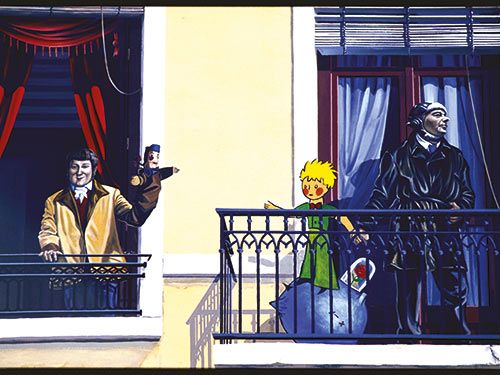
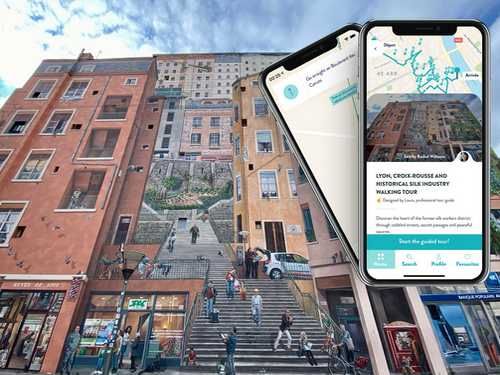
Guided tours in the footsteps of the Canuts
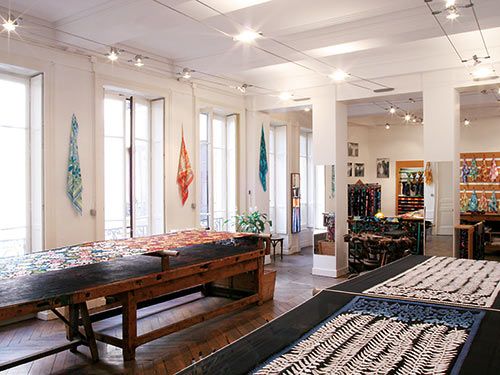

Lyon in the early 20th century: innovation and economic vitality
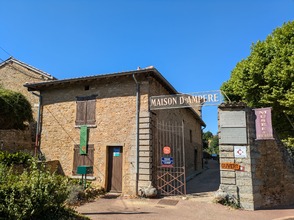
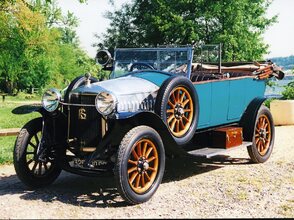
At the beginning of the 20th century, the city was distinguished by its economic vitality in multiple sectors: automotive (no fewer than 150 car manufacturers sprung up in the Rhône department, including Rochet Schneider and Berliet), chemicals (an industrial history that began in the mid-19th century in the so-called "Chemical Valley"), and cinema (the cinematograph was invented in 1895 by the Lumière brothers).
Museums dedicated to great researchers and Lyonnaise innovations
20th-century architecture in Lyon
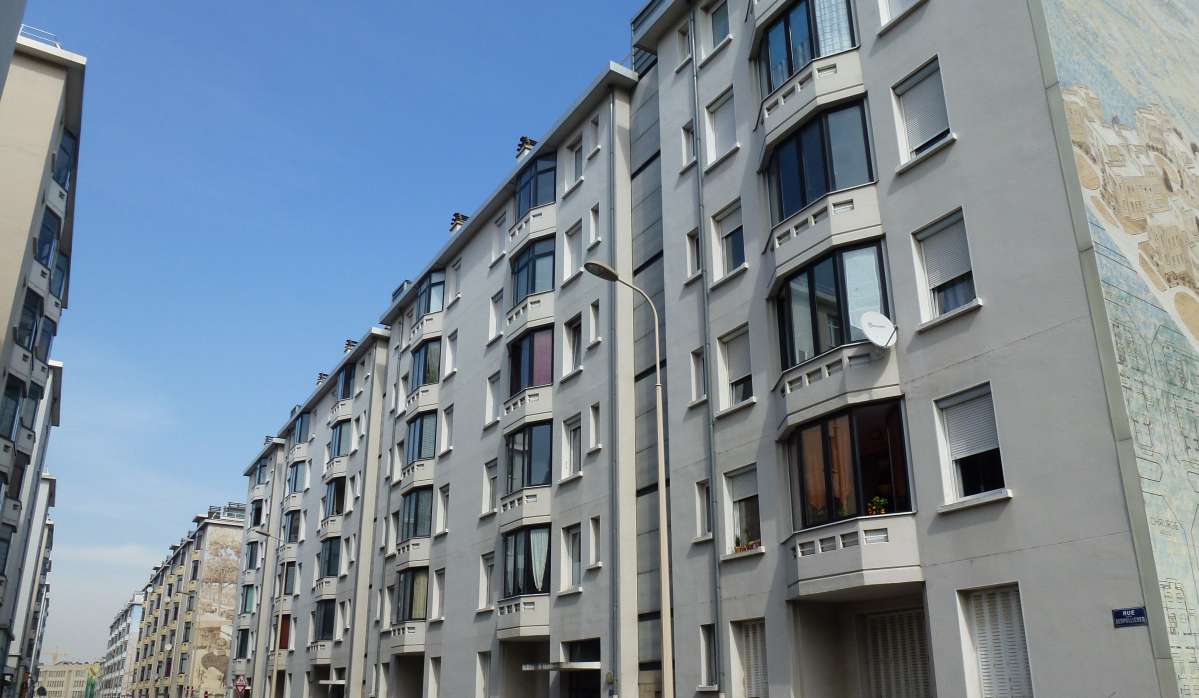
In the first half of the 20th century, Lyon's urban planning programme underwent significant transformation. At the instigation of Lyon's mayor Edouard Herriot, Tony Garnier, an architect awarded the prestigious Prix de Rome in 1899, directed numerous bold and innovative projects. Besides the États-Unis district in Lyon's 8th arrondissement, he is also credited with the La Mouche slaughterhouses (of which only the Halle Tony Garnier concert hall remains), Grange-Blanche hospital and Gerland stadium.
We can't talk about 20th-century architecture without mentioning the Gratte-Ciel district in Villeurbanne. The "Skyscraper" district is a superb complex, unique in France, inspired by the political vision of mayor Lazare Goujon alongside Jean Fleury, director of technical services, and Môrice Leroux, a talented young architect.
Cité Musée Tony Garnier
The Tony Garnier Museum Complex highlights the work of a forward-thinking architect who notably designed the affordable housing district in États-Unis, built between 1920 and 1933.
Lyon and World War II
Remaining in the free zone until 1942, Lyon saw the development of significant Resistance networks (Resistance hero Jean Moulin operated there before his arrest in Caluire on 21 June 1943). It also hosted the regional headquarters of the French Militia as well as German repression services.
The CHRD
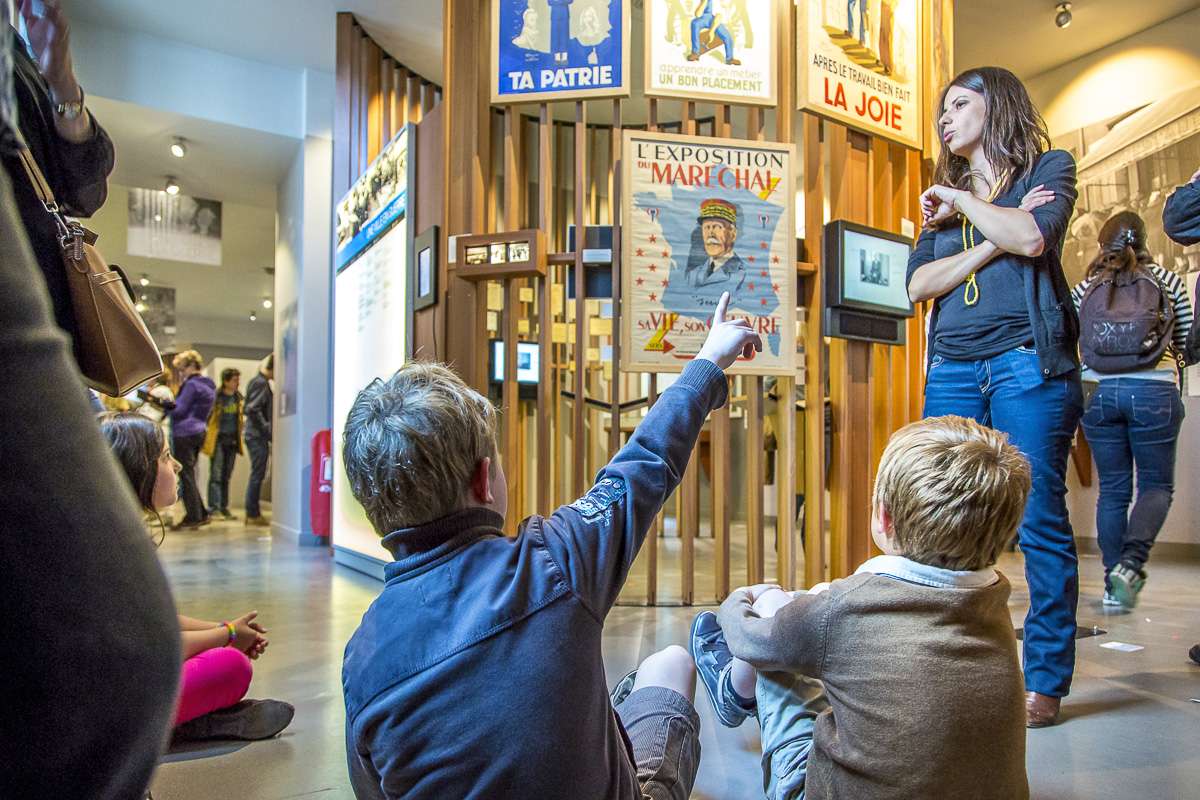
Located on Avenue Berthelot in the former headquarters of the Gestapo, the Centre for the History of the Resistance and Deportation (CHRD) recounts the events of the Second World War, particularly in Lyon.